

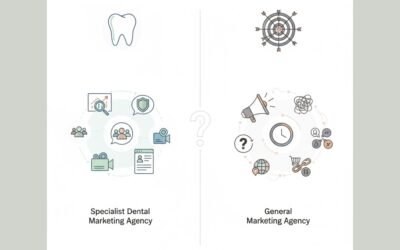
Selecting a specialized partner to grow your practice is one of the most significant investments you will make in your professional journey. Many practitioners find themselves overwhelmed by the sheer volume of choices, often wondering how to distinguish a high-performing dentist marketing agency from a standard generalist firm. This decision impacts not just your monthly lead flow but your long-term brand equity and local patient perception. By understanding the core mechanics of dental growth systems, you can move from a state of uncertainty to a position of strategic control.
What are the most important qualities to look for in a dental marketing partner? Beyond just looking at portfolios, you must evaluate their technical infrastructure and their ability to integrate with your practice management software. A true specialist understands the nuances of HIPAA compliance, the specific patient journey for high-value cases like dental implants or Invisalign, and the importance of local SEO proximity. They should offer more than just aesthetic improvements, providing instead a data-driven engine that tracks every dollar from initial click to the final chair-side conversion.
How do I choose the right dentist marketing agency for my practice?
When you begin your search, the primary question should focus on their specific industry experience and their understanding of the dental patient lifecycle. A dentist marketing agency must demonstrate a profound knowledge of the local landscape and how to capture high-intent search traffic effectively. They should be able to explain how they optimize your Google Business Profile to ensure you appear in the local map pack when patients are searching for “dentist near me” in your specific zip code.
Success in this field requires a blend of creative storytelling and rigorous technical execution. You need a partner that doesn’t just promise traffic but promises the right kind of traffic that leads to high-value appointments. This involves looking deep into their “dental agency vetting checklist” to see if they address issues like call tracking, lead nurturing, and reputation management. Without these components, your marketing spend is likely leaking through a fractured patient acquisition funnel.
Transparency in reporting is another non-negotiable factor when evaluating potential partners. You should demand a clear view of your return on investment through a dashboard that simplifies complex data into actionable insights. A reputable agency will be happy to show you their methodology for keyword research and how they plan to outrank your local competitors. They should also provide case studies that reflect growth for practices similar in size and specialty to your own.
The Core Interview Questions for Agency Selection
Before signing any long-term agreement, you must conduct a thorough interview to assess cultural and professional alignment. Your “dental marketing agency interview questions” should start with how they handle exclusive territories to ensure they aren’t representing your direct competitor across the street. This conflict of interest can severely limit your growth potential and dilute the effectiveness of your local search campaigns.
Ask them about their approach to content creation and whether they use specialized dental writers. Patients can easily spot generic, “cookie-cutter” content that doesn’t reflect your unique clinical philosophy or patient care standards. The agency should be willing to spend time interviewing you and your staff to capture the authentic voice of your practice. This authenticity is what builds the initial bridge of trust between a prospective patient and your office.
Furthermore, inquire about their technical stack and how they handle website speed and mobile optimization. With the majority of dental searches now occurring on mobile devices, a slow or clunky website will drive potential patients straight into the arms of your competitors. The agency should provide a clear roadmap for how they will maintain your site’s performance and security over time. This technical foundation is essential for supporting any high-level advertising or SEO strategies you implement.
| Criterion | Importance | Expected Outcome |
| Dental Specialization | High | Industry-specific messaging and compliance |
| Territory Exclusivity | Critical | No conflict of interest with local peers |
| Data Transparency | High | Clear visibility into ROI and lead sources |
| Technical SEO | Medium | Faster load times and better search rankings |
| Patient Nurturing | High | Higher conversion rates from lead to appointment |
Understanding Practice Marketing Decision Criteria
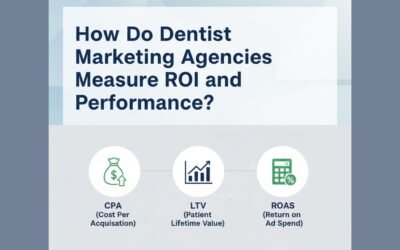
When refining your “practice marketing decision criteria,” you must look beyond the initial cost of services. The cheapest option often ends up being the most expensive due to lost opportunities and poor-quality leads that waste your front desk’s time. Focus on the lifetime value of the patients being acquired and how the agency’s strategy aligns with your long-term production goals.
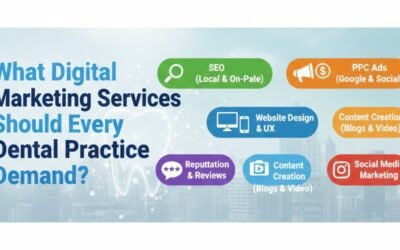
A comprehensive marketing strategy should include multiple channels such as paid search, organic SEO, and social media engagement. However, these channels must work in harmony rather than in silos to provide a consistent patient experience. Your agency should be able to explain how a Facebook ad campaign supports your organic search presence and how email marketing keeps your current patient base loyal and engaged.
It is also vital to consider the level of support and communication you will receive. Will you have a dedicated account manager who understands your practice’s specific challenges? Regular strategy calls are necessary to review performance data and adjust tactics based on seasonal trends or changes in the local market. A partner that is proactive rather than reactive will always provide more value over the duration of your professional relationship.
Technical Entities and Semantic Relevance in Dental SEO
The world of search has evolved from simple keyword matching to complex entity recognition. Search engines now look for relationships between concepts like “oral surgery,” “periodontics,” and “patient outcomes.” A sophisticated agency will optimize your online presence for these entities, ensuring that Google views your practice as a topical authority in your geographic region. This requires a deep understanding of schema markup and structured data specific to medical organizations.
By focusing on these semantic layers, your practice becomes more resilient to algorithm updates. Instead of chasing short-term hacks, you are building a robust digital ecosystem that search engines can easily categorize and recommend. This approach involves creating high-quality, long-form content that answers the specific questions your patients are asking during their research phase. This strategy not only improves rankings but also establishes you as a thought leader in your community.
The integration of video content is another powerful way to build trust and improve semantic relevance. Videos of you explaining procedures or sharing patient testimonials provide “rich media” signals that search engines love. It allows potential patients to see your face and hear your voice, which significantly lowers the barrier to booking that first consultation. Your agency should have a clear plan for incorporating video into your broader digital strategy.
Patient Journey Mapping and Conversion Optimization
Every patient goes through a specific psychological journey before they decide to trust a new dentist. This journey typically starts with awareness, moves to consideration, and finally ends with a decision. Your marketing system should provide the right information at each of these stages. For example, a patient in the consideration stage might need detailed information about the cost of implants, while someone in the decision stage needs to see proof of your clinical excellence through reviews.
Optimizing for conversion means making it as easy as possible for a patient to take action once they land on your site. This includes having clear “Book Now” buttons, easy-to-find contact forms, and click-to-call functionality for mobile users. If your practice uses online scheduling, your agency must ensure that the integration is seamless and doesn’t cause any technical friction. Reducing these small hurdles can lead to a significant increase in your total monthly new patient numbers.
Lead nurturing is the final piece of the puzzle that many agencies overlook. Once a lead is generated, how is it followed up? Automated text reminders and email sequences can help keep your practice top-of-mind until the patient is ready to finalize their appointment. This ensures that the money you spend on lead generation isn’t wasted on prospects who simply forgot to call you back. A modern system should bridge the gap between marketing and your practice management software.
Frequently Asked Questions About Dental Marketing
How long does it take to see results from a new marketing campaign?
While some paid advertising campaigns can generate leads within the first few weeks, a comprehensive SEO strategy typically takes between three to six months to show significant organic growth. This is because search engines need time to crawl, index, and establish trust with your new content and technical optimizations.
What is the average marketing budget for a growing dental practice?
Most successful dental practices allocate between 5% and 10% of their annual gross revenue toward marketing. If you are in a highly competitive urban market or are trying to launch a new practice, you may need to stay on the higher end of that range to gain initial momentum.
Should I focus on SEO or Paid Ads first?
Ideally, you should utilize both. Paid ads provide immediate visibility and lead flow, which is great for filling empty chairs quickly. SEO is a long-term investment that builds a sustainable foundation of organic traffic over time, eventually lowering your average cost per patient acquisition.
How do I track which marketing channel is bringing in the most patients?
A professional agency will use sophisticated call tracking software and UTM parameters to identify exactly where each lead originated. This allows you to see if a patient found you through a Google search, a Facebook ad, or a local directory listing, enabling you to invest more in the channels that work.
Do I need to be active on all social media platforms?
No, it is better to be highly effective on one or two platforms where your target demographic spends their time rather than being mediocre on all of them. For most dental practices, Facebook and Instagram are the most effective for building community engagement and visual proof of your work.
Finalizing Your Partnership for Long-Term Success
In conclusion, finding a reliable dentist marketing agency is about finding a strategic partner that views your success as their own. It requires a commitment to transparency, technical excellence, and a deep understanding of the dental industry. When you have the right systems in place, growth becomes a predictable outcome rather than a matter of luck. You can focus on providing exceptional clinical care while your marketing engine works in the background to keep your schedule full of high-value patients.
To ensure your practice is positioned correctly in your local market, you must be willing to ask the hard questions and vet your partners thoroughly. If you are ready to stop guessing and start growing with a proven framework, we invite you to Tajaret. We specialize in building revenue systems that help dental practices scale with clarity and control. By focusing on both growth and decision acceleration, we turn your marketing into a powerful asset that compounds in value year after year. Feel free to reach out and contact our team to see how we can transform your practice into the local leader it deserves to be.

0 Comments