
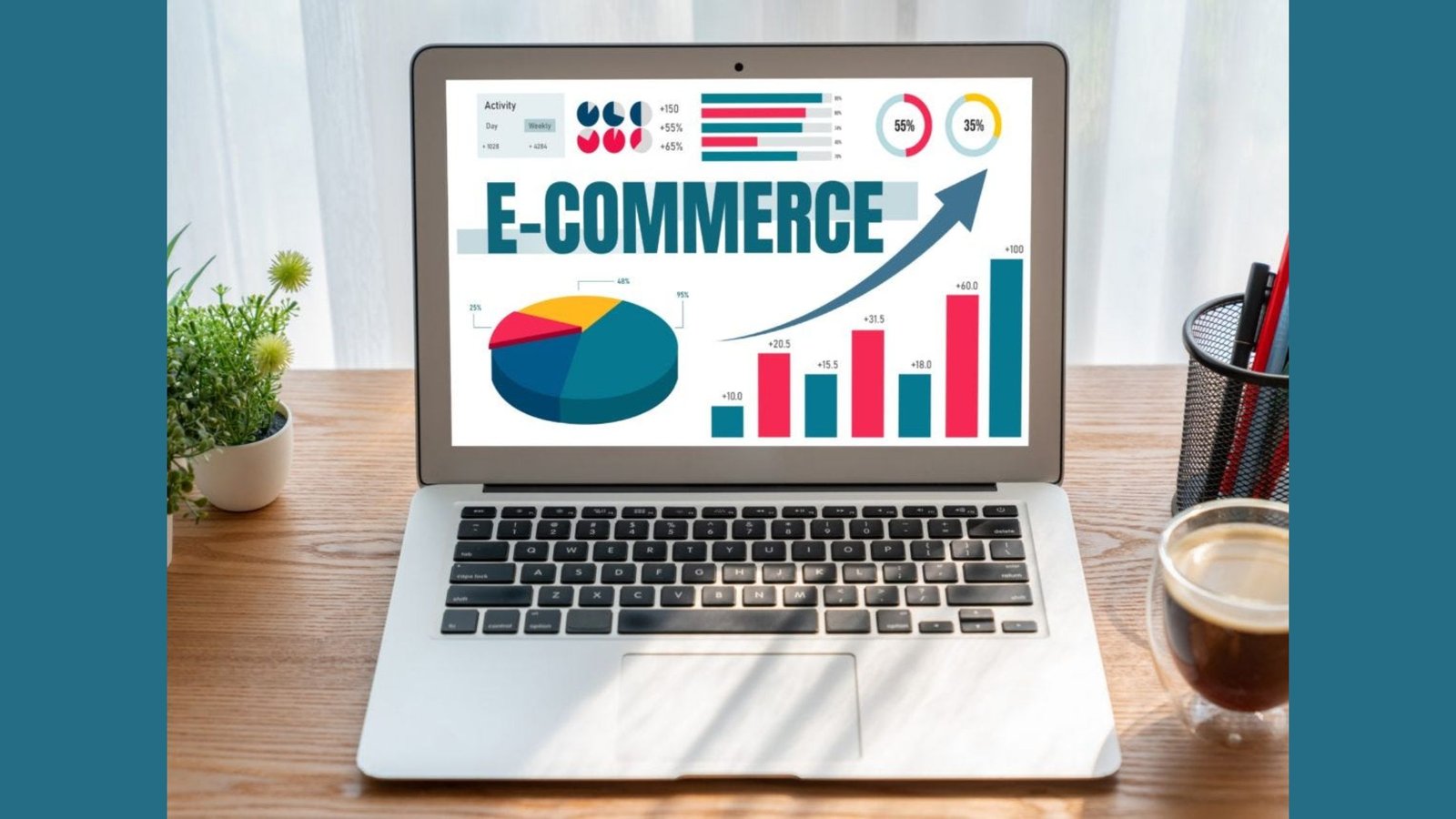
Ranking product pages is the holy grail of online retail success. When a customer searches for a specific item they want to buy, you want your store to be the first result they see. However, achieving this requires more than just uploading a product image and a price tag. A specialized E commerce SEO agency employs sophisticated strategies to ensure your products stand out in a crowded digital marketplace. They understand the complex algorithms that determine which products appear at the top of the search results.
The difference between page two and page one can mean thousands of dollars in lost revenue. Search engines like Google have become incredibly smart at understanding user intent. They know when a user is browsing for ideas and when they are ready to pull out their credit card. An expert team aligns your product pages with these transactional signals to capture high-value traffic.
This process involves a mix of creative writing, technical precision, and data analysis. It is not enough to simply stuff keywords into a description. The content must be engaging for the user while providing specific data points for the search engine bots. By optimizing every element of the page, from the URL structure to the user reviews, an agency builds a solid foundation for long-term visibility.
What techniques are used to optimize product pages for search engines?
The foundation of any successful product page strategy is deep, intent-based keyword research. Agencies go beyond generic terms to find the specific phrases that indicate a readiness to purchase. Instead of targeting broad terms like “running shoes,” they identify long-tail opportunities like “women’s trail running shoes with arch support.” These specific queries have lower search volume but significantly higher conversion rates.
Once the target keywords are identified, the optimization process moves to the on-page elements. The title tag is the first thing a potential customer sees in the search results. An agency crafts these titles to include the primary keyword, the brand name, and compelling modifiers like “Best” or “Free Shipping.” This increases the click-through rate, which sends a positive signal back to the search engine.
Meta descriptions are also meticulously written to act as ad copy. While they do not directly impact rankings, they heavily influence whether a user clicks on your link. A well-written description highlights the unique selling points of the product and includes a clear call to action. This attention to detail ensures that your listing works hard to attract visitors even before they land on your site.
Crafting Unique and Persuasive Product Descriptions
One of the most common mistakes in online retail is using the manufacturer’s default product description. Since hundreds of other stores may sell the same item, using this text creates duplicate content issues. Search engines struggle to decide which version to rank, often resulting in none of them performing well. An agency solves this by creating completely unique content for every product.
These descriptions are written to answer the customer’s questions before they even ask them. They focus on benefits rather than just features, explaining how the product solves a problem or improves the user’s life. This approach keeps visitors on the page longer, reducing bounce rates and increasing the likelihood of a sale.
Agencies also structure this content with clear headings and bullet points. Online shoppers tend to scan pages rather than read every word. Breaking up the text makes it easy for users to find the information they need quickly. This improved readability leads to a better user experience, which is a major ranking factor.
Why is Technical SEO Crucial for Product Page Performance?
Technical health is often the invisible barrier holding product pages back. An E commerce SEO agency conducts rigorous audits to ensure that the site’s infrastructure supports its content. Without a solid technical foundation, even the best product descriptions will fail to rank.
They address critical issues like page load speed, which is vital for mobile shoppers. Large, unoptimized images are a common culprit for slow sites. Agencies use compression tools and modern image formats to ensure high-quality visuals load instantly. They also implement lazy loading, so images only appear as the user scrolls down the page.
Another technical priority is managing out-of-stock products. Simply deleting a page when an item sells out can create broken links and frustrate users. Agencies implement strategies such as 301 redirects to similar products or temporary “notify me” pages. This preserves the SEO value of the URL and keeps the user within the shopping ecosystem.
Utilizing Schema Markup for Rich Snippets
Structured data, or schema markup, is a powerful tool for communicating with search engines. It is a standardized code that helps bots understand the specific details of your page, such as price, availability, and review ratings. When implemented correctly, this data can appear directly in the search results as rich snippets.
These enhanced listings attract more attention than standard results. Seeing a five-star rating or a “In Stock” label right on Google builds immediate trust. Agencies ensure that product schema is valid and error-free across the entire catalog.
Review schema is particularly important for social proof. Search engines value user-generated content like reviews because they provide fresh, relevant information. Encouraging and displaying customer feedback is a core part of SEO ranking tactics for ecommerce success.
Enhancing User Experience to Drive Conversions and Rankings
Google’s Core Web Vitals update has made user experience a direct ranking factor. Agencies focus on layout stability to ensure that buttons and links do not jump around as the page loads. This visual stability is crucial for preventing accidental clicks and frustration.
Navigation is another key area of optimization. Breadcrumb links help users understand where they are in the site hierarchy and allow them to easily backtrack to category pages. Search engines also use breadcrumbs to understand the relationship between different sections of your store.
Mobile optimization is non-negotiable in the modern retail landscape. Agencies test product pages on various devices to ensure the “Add to Cart” button is easily accessible and the text is readable without zooming. A seamless mobile experience is essential for capturing the growing number of smartphone shoppers.
Leveraging Internal Linking Strategies
Internal links act as pathways for both users and search engine bots. By linking related products to one another, agencies distribute authority throughout the site. For example, a “frequently bought together” section not only increases average order value but also passes link equity to other product pages.
Links from high-authority blog posts to product pages are also highly effective. Educational content that solves a problem can funnel readers directly to the solution you sell. This strategy keeps users engaged with your brand and signals to Google which products are most important.
If you are struggling to build an effective linking structure, you can contact us to analyze your current site architecture. A logical link structure ensures that no product is left orphaned without any pathways pointing to it.
Addressing Faceted Navigation and Duplicate Content
Faceted navigation allows users to filter products by attributes like size, color, and price. While excellent for users, it can create a nightmare for SEO by generating thousands of near-identical URLs. Agencies use canonical tags to tell search engines which version of the page is the master copy.
They also configure the robots.txt file to prevent bots from crawling low-value filter combinations. This preserves the site’s crawl budget, ensuring that Google spends its time indexing your unique products rather than infinite filter variations.
Proper handling of URL parameters is a sign of a sophisticated strategy. It prevents index bloat, where low-quality pages dilute the overall authority of the domain. This technical cleanup is essential for maximizing the potential of your product pages.
Measuring Success Beyond Rankings
Rankings are important, but they are not the only metric that matters. Agencies track organic traffic, click-through rates, and, most importantly, revenue. They use advanced analytics to see which keywords are driving actual sales.
Conversion rate optimization (CRO) often goes hand-in-hand with SEO. Getting traffic to the page is only half the battle; the page must also convert. Agencies analyze user behavior to identify where drop-offs occur and test different page layouts to improve performance.
They also monitor the competitive landscape. Tracking competitor price changes and stock levels can provide insights into ranking fluctuations. Staying ahead of market trends ensures your store remains the preferred choice for customers.
Comparison of Optimized vs. Unoptimized Product Pages
The table below illustrates the key differences between a standard product page and one that has been professionally optimized.
| Feature | Unoptimized Page | Optimized Page |
| Product Title | “Blue Shirt” | “Men’s Navy Blue Cotton Dress Shirt – Wrinkle Free” |
| Description | Copied from manufacturer. | Unique, benefit-driven content with keywords. |
| Images | Large file size, no alt text. | Compressed, fast-loading, descriptive alt text. |
| Schema Markup | Missing or broken. | Valid product and review schema implemented. |
| URL Structure | /product?id=12345 | /mens-clothing/shirts/navy-blue-cotton-shirt |
| Mobile View | Hard to tap buttons, zoom required. | Responsive design, easy-to-use interface. |
Frequently Asked Questions
How long does it take to rank a new product page?
Ranking a new page depends on the domain authority and competition. Generally, it takes between 3 to 6 months to see significant organic traction. Consistent optimization and building internal links can accelerate this process.
Do product reviews really help with SEO?
Yes, product reviews provide fresh, unique content that search engines love. They also naturally contain long-tail keywords that customers use. Furthermore, the star ratings can appear in search results, improving click-through rates.
Should I optimize for singular or plural keywords?
It is usually best to include both naturally within the content, but the primary focus depends on user intent. Generally, plural terms (e.g., “running shoes”) imply browsing a category, while singular terms (e.g., “running shoe size 10”) imply looking for a specific product.
What is the most important on-page element for products?
The title tag is arguably the most critical single element. It tells search engines what the page is about and is the primary factor in convincing a user to click. However, it must be supported by high-quality content and technical health.
Can I automate product descriptions?
While AI tools can help generate drafts, relying entirely on automation can lead to generic, low-quality content. It is essential to have human editors review and refine descriptions to ensure they align with your brand voice and accurate SEO strategy.
Conclusion
Elevating your product pages to the top of search results is a multifaceted challenge that demands expertise and persistence. An E commerce SEO agency brings the necessary skills to navigate technical hurdles, craft compelling content, and build the authority your store needs. By focusing on product page SEO optimization and user experience, they transform your website into a powerful sales engine.
Investing in these professional services ensures that your products are seen by customers who are ready to buy. It turns your organic search presence into a sustainable asset that grows in value over time. At Tajaret, we are dedicated to helping online retailers achieve their full potential through data-driven SEO strategies.



0 Comments