
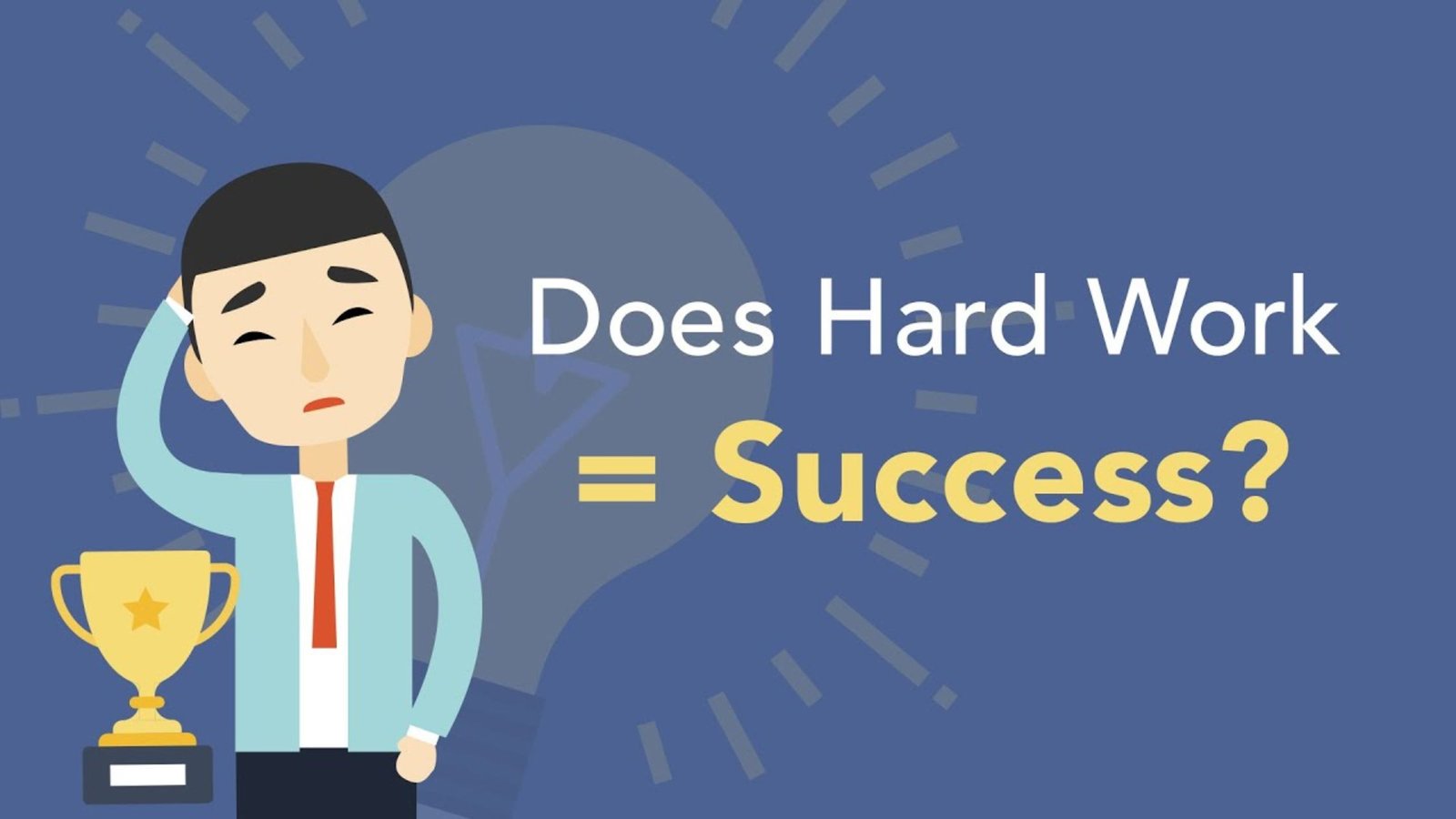
Many small business owners are doing everything they were told would lead to success. They work longer hours, take on more responsibility, and push themselves harder year after year. Yet despite the effort, growth still feels slow, inconsistent, or completely stuck.
If working harder was supposed to fix growth, it would have worked by now.
The reality is uncomfortable but important to understand: more effort does not automatically lead to more growth. At a certain stage, working harder actually makes the problem worse.
This article explains why that happens and why feeling stuck is not a personal failure, but a predictable stage many small businesses reach.
Why isn’t working harder fixing growth for small businesses?
Working harder is not fixing growth because effort scales linearly, while businesses do not.
- In the early stages of a business, effort works. When the owner responds quickly, handles everything personally, and makes fast decisions, progress happens. Revenue grows, customers increase, and momentum builds.
- Over time, the business becomes more complex. More customers, more tasks, more decisions, and more pressure appear. If the business continues to rely on the same effort-based approach, growth slows instead of accelerating.
This is the point where many owners feel confused. They are working more than ever, yet results no longer match the effort.
The early success trap most owners fall into
Early growth can be misleading. When a business is small, informal processes feel efficient. Decisions are made on instinct. Tasks live in the owner’s head. Follow-ups are remembered, not systemized.
This works because volume is low.
- As the business grows, those same habits quietly turn into bottlenecks. Tasks take longer. Decisions pile up. Mistakes happen more often. The owner becomes the central point for everything.
- The business does not break overnight. Instead, it starts to feel heavy. Progress slows. Stress increases. Growth feels harder to sustain.
This is not because the owner is doing something wrong. It is because the business has outgrown the way it is being run.
Why effort becomes a bottleneck instead of a solution
Effort is a limited resource. Time, energy, and focus eventually run out.
- When growth depends on effort alone, every increase in demand creates pressure. More customers require more attention. More leads require more follow-up. More opportunities require more decisions.
- At some point, effort stops being a lever for growth and becomes the constraint.
- This is when owners start to feel like they are constantly catching up. Days are spent reacting instead of planning. Important work gets delayed because urgent tasks take over.
- The problem is not a lack of discipline. It is a lack of structure.
Common signs that working harder is no longer enough
Many small business owners recognize this stage only after months or years of frustration. Some common signs include:
- Growth feels unpredictable from month to month
- Decisions take longer and feel heavier
- Follow-ups depend on memory instead of process
- The owner cannot step away without things slipping
- More effort leads to more stress, not better results
These signs point to a system problem, not a motivation problem.
Why small business growth challenges feel personal
- When growth slows, many owners internalize the problem. They assume they are not working hard enough, not smart enough, or not disciplined enough.
- This mindset creates unnecessary pressure.
- Most small business growth challenges are structural. They come from how work flows, how decisions are made, and how priorities are managed. Without systems, the owner absorbs all the complexity.
- This is why burnout often appears right before businesses stabilize. The business is asking for structure, but the owner responds with more effort instead.
The hidden role of operations in stalled growth
- Operations are rarely visible when they are working well. They become noticeable only when they fail.
- When operations are informal, growth depends on constant attention. Every task requires thought. Every decision requires input. Nothing runs without the owner’s involvement.
This creates friction everywhere.
Businesses that move beyond this stage usually introduce a structured approach to growth, often by implementing a framework such as the Growth Acceleration System to replace reactive effort with repeatable processes.
Decision fatigue and its impact on growth
One of the most overlooked reasons working harder fails is decision fatigue.
- As businesses grow, decisions multiply. Pricing, hiring, scheduling, follow-ups, priorities, and exceptions all require attention. Without clear rules or data, every decision drains energy.
- When decision fatigue sets in, owners delay choices, avoid important conversations, or default to what feels urgent rather than what matters most.
This slows growth more than most owners realize.
Creating clarity around decisions often becomes a turning point. Many businesses explore structured decision frameworks, such as the Decision Acceleration System, to reduce friction and restore momentum.
Why unpredictable growth creates constant pressure
- Unpredictable growth is exhausting. One good month followed by a slow one makes planning nearly impossible.
- This unpredictability often comes from inconsistent actions. When decisions and processes change daily, outcomes change as well. Effort increases, but results vary.
- Predictability does not come from optimism or motivation. It comes from consistency.
- Consistency requires structure.
Effort-based growth versus system-based growth
The difference between effort-based growth and system-based growth explains why working harder eventually stops working.
| Effort-Based Growth | System-Based Growth |
| Relies on owner availability | Runs on defined workflows |
| Reactive decisions | Structured decision routines |
| Inconsistent results | Predictable outcomes |
| High stress | Controlled growth |
| Limited scalability | Sustainable expansion |
Most businesses start with effort-based growth. Progress happens when systems replace effort as the primary growth driver.
Why adding more tactics rarely solves the problem
- When growth stalls, many owners look for quick fixes. New marketing tools, new hires, or new strategies feel like solutions.
- Without structure, these additions often create more complexity.
- Tools without processes add noise. Hires without systems increase dependency. Tactics without clarity distract from what actually matters.
- The foundation must come first. Once operations and decisions are clear, tactics can support growth instead of overwhelming it.
The real shift that unlocks sustainable growth
- The most important shift small business owners make is moving from effort-driven growth to system-supported growth.
- This does not mean removing effort. It means using effort where it matters most.
- Systems handle repetition. Data guides decisions. Routines create rhythm. The owner focuses on leadership instead of constant execution.
- This shift reduces stress and restores confidence. Growth becomes something that can be planned instead of chased.
Why feeling stuck is a signal, not a failure
- Feeling stuck often appears right before a business matures.
- It signals that the business has outgrown informal habits and needs a more intentional operating model. This stage is uncomfortable, but it is also full of potential.
- Owners who recognize this signal early can redesign how the business operates. Those who ignore it often burn out or plateau.
- Understanding this stage removes self-blame and replaces it with strategy.
How systems create breathing room for owners
- Systems create space. They remove the need to remember everything. They reduce the number of daily decisions. They create consistency.
- With systems in place, owners gain time and clarity. They can step back without everything falling apart. They can plan instead of react.
- This breathing room is where sustainable growth begins.
Reframing the idea of “working harder”
- Working harder is not wrong. It is just incomplete.
- Effort without structure creates exhaustion. Effort supported by systems creates leverage.
- The goal is not to stop working hard. The goal is to stop relying on hard work as the only growth strategy.
Frequently Asked Questions
Why doesn’t working harder lead to business growth?
Working harder increases effort but does not fix structural problems. Growth requires systems, clear decisions, and consistency.
Is it normal for growth to stall in small businesses?
Yes. Many small businesses reach a stage where effort alone no longer produces results because complexity has increased.
What causes growth to feel unpredictable?
Unpredictable growth usually comes from inconsistent operations and reactive decision making.
How do systems help small businesses grow?
Systems reduce repetition, improve consistency, and allow businesses to scale without depending entirely on the owner.
When should a business stop relying on effort alone?
When effort increases but results do not, it is time to introduce structure and systems.
Final thoughts
If working harder is not fixing growth, it does not mean you are failing.
It means your business is ready for a new way of operating.
Most small business owners were never taught how to transition from effort-based growth to system-supported growth. Once that shift happens, clarity returns, pressure eases, and progress becomes predictable.
This belief sits at the core of how Tajaret approaches growth. Not by asking owners to push harder, but by helping them build structure, clarity, and systems that make growth sustainable.




0 Comments